Start with a scene, not your whole life
Think of something you can describe in a sentence: a conversation you are postponing, a changing relationship or the feeling of having lost enthusiasm. That scene gives you a starting point for looking at the cards.
“I want to know everything about my future” brings together too many questions. “What do I need to observe in this period of change?” keeps tarot’s openness while giving you a focus to return to when reading the result.
Separate the fact, the wish and the question
Imagine this hypothetical situation: someone important to you has become distant. You can organize the reading into three lines:
- What you know: “We have been talking less lately.”
- What you want: “I would like to regain our closeness.”
- What you explore: “What do I need to understand about how I experience this distance?”
Your wish has a legitimate place in the reading. Distinguishing it from a fact lets you recognize it without turning every favorable symbol into confirmation.
Questions about love and relationships
If your question is “Do they love me?”, keep it as your reason for the reading while adding a focus of your own: “What signs am I interpreting?” or “What do I need to express?” If you are thinking about a reunion, try “What am I hoping to recover?” and “What would need to be different?”
If you are single, there is still a starting point: “What qualities am I looking for in a relationship?” or “What past experience still influences my expectations?” The love tarot reading lets you choose the path closest to your situation.
Questions about work and a new chapter
Instead of leaving “Will things go well at work?” entirely open, you can focus on “Which part of my situation excites me, and which wears me down?” If you are looking for a job, consider “What do I value in the work I want?” or “What qualities do I want to recognize in myself?”
For a general reading, “What do I want to look after over the coming days?” helps you choose a horizon. A specific question does not need an exact date or an answer that decides for you.
During the reading, follow each stage’s question
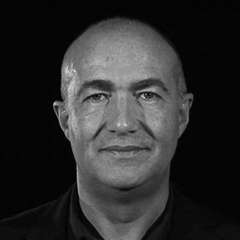
Your initial question guides the reading; each stage of Rob’s method then suggests a specific perspective. If the screen asks you to think about your past, observe that relationship with the card. When it invites you to choose with your qualities in mind, shift your attention.
If you find it difficult to begin, explore a worked love example. You do not need to copy its question: use it to understand how situation, choice and interpretation connect.
What to do with the question afterward
Return to the sentence you began with. Would you phrase it the same way? Perhaps the reading has revealed an expectation, a contradiction or a conversation you have postponed. You can keep that new question even if you do not feel you have a definitive answer.
If you want to repeat the reading, first leave some room to think about what you have read. A new reading is more meaningful when the question is different or something in your situation has changed.